" Introducing the VR6: An Informative Overview to Its Efficiency and Technology" e
The VR6 engine stands apart in automobile engineering. Its distinct design merges attributes of both inline and V-type engines. With a small arrangement of six cylinders, it achieves significant power outcomes while remaining fuel-efficient. This overview will certainly discover the intricacies of the VR6, from its efficiency capabilities to its historical importance. As the vehicle landscape develops, the relevance of the VR6 proceeds to ignite passion amongst fanatics and day-to-day drivers alike.
The One-of-a-kind Design of the VR6 Engine
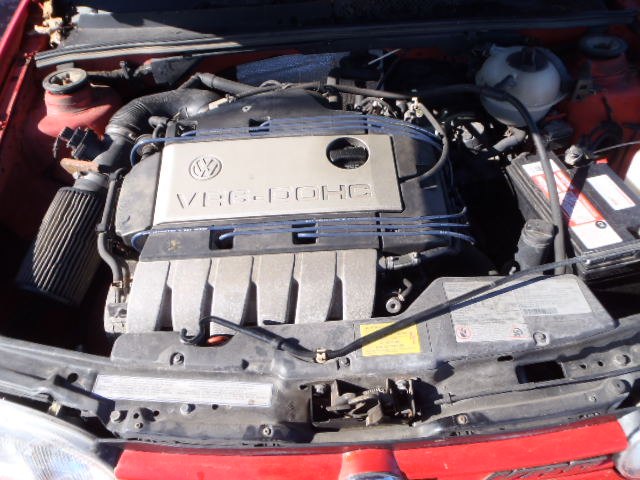
The VR6 engine sticks out in the automobile landscape as a result of its cutting-edge layout that combines the qualities of both inline and V-type engines. This distinct setup allows for a portable yet effective engine layout, including six cylinders set up at a slim angle. By using a solitary financial institution of cylinders, the VR6 minimizes engine size, making it suitable for cars with restricted space. Additionally, the engine accomplishes an equilibrium in between efficiency and effectiveness, providing smooth power distribution and a distinctive exhaust note. The layout includes sophisticated modern technologies such as variable shutoff timing, enhancing both responsiveness and fuel economic climate. As a result, the VR6 engine has actually ended up being a popular option amongst lovers, offering a mix of functionality and exciting driving experience in numerous designs.
Engineering Marvels: Exactly How the VR6 Functions
Featuring a distinct configuration, the VR6 engine operates via a mix of innovative design principles that make the most of performance and effectiveness. Its style combines the qualities of both V and inline engines, enabling a small form that fits conveniently within tight engine bays. The engine includes a narrow angle between the cyndrical tube banks, normally around 15 degrees, which adds to its space-saving design while maintaining smooth procedure. Additionally, the VR6 uses a single cylinder head, minimizing weight and complexity compared to conventional V engines. This plan guarantees peak combustion effectiveness and boosts thermal management. The engine is furnished with sophisticated fuel shot systems and variable shutoff timing, additional boosting its responsiveness and reliability, making it a significant success in auto design.

Performance Capabilities: Power and Torque
With power outcomes varying from 150 to over 300 horse power, the VR6 engine showcases outstanding efficiency capacities that appeal to both lovers and daily motorists. This special engine arrangement supplies a harmonious equilibrium in between performance and drivability, identified by its smooth power shipment and robust torque. Torque figures normally vary from 150 to 300 lb-ft, enhancing acceleration and responsiveness throughout different driving conditions. The VR6 engine's style enables for a small size without giving up power, making it ideal for a variety of cars, from flashy coupes to sensible cars. This versatility guarantees that motorists can appreciate spirited driving experiences while gaining from the engine's reliable efficiency in daily circumstances, solidifying its reputation in the automotive landscape.
Fuel Performance and Emissions Considerations
The VR6 engine's gas economy ratings play a crucial function in its total allure, particularly in a period of increasing ecological awareness. Conformity with emission criteria is important for makers, as it influences market acceptance and regulative approvals. Additionally, engine tuning can considerably influence both fuel performance and discharges, highlighting the need for a balanced strategy in performance optimization.
Fuel Economic Climate Ratings
Exhaust Requirements Conformity
Emission criteria conformity represents an essential element of the VR6 engine's style and efficiency. Engineered to fulfill strict guidelines, the VR6 incorporates advanced innovations that decrease damaging exhausts without giving up power. vr6. The integration of functions such as catalytic converters and sophisticated fuel injection systems ensures that the engine can operate successfully while sticking to environmental requirements. This conformity not only boosts the charm of the VR6 in various markets but also adds to its lasting sustainability. Furthermore, the emphasis on reduced discharges lines up with growing customer demand for greener cars. As manufacturers remain to introduce, the VR6 Learn More stays a proof of the equilibrium in between performance and eco-friendly duty, meeting both governing requirements and customer assumptions
Engine Tuning Impact
Tuning the VR6 engine can considerably influence both gas performance and emissions output. By adjusting criteria such as air-fuel proportion, ignition timing, and improve stress, receivers can enhance engine performance to accomplish much better gas economic climate. A well-tuned VR6 may show improved throttle action and power shipment, which can inevitably result in lowered fuel intake throughout routine driving conditions.
Nevertheless, the tuning procedure should consider exhaust requirements, as aggressive modifications may result in higher emissions. Particular adjusting practices, such as the installation of aftermarket parts or software, can improve engine efficiency while still abiding with laws - vr6. Inevitably, a well balanced approach to adjusting can yield a VR6 that performs efficiently without compromising ecological responsibilities
The VR6 in Automotive History
The VR6 engine has actually sculpted a remarkable niche in automotive background, representing a special mix of efficiency and compact layout. Presented by Volkswagen in the very early 1990s, it integrated the finest qualities of inline and V engines, supplying a narrow-angle arrangement that allowed for a shorter engine block. This design promoted combination into a variety of vehicles, from the Golf to the Passat, while maintaining a powerful performance account. The VR6 obtained honor for its distinct audio, smooth operation, and excellent torque shipment, interesting fanatics and everyday vehicle drivers alike. Throughout the years, it has been a foundation in Volkswagen's schedule, influencing engine growth and setting criteria for performance in compact lorries. Its tradition remains to resonate in the automobile globe.
Adjusting and Adjustments for Enhanced Efficiency
Several enthusiasts pursue tuning and adjustments to launch the complete possibility of the VR6 engine, transforming its currently remarkable efficiency attributes. Typical adjustments include upgrading the intake and exhaust systems, which improve airflow and improve throttle reaction. Numerous go with ECU remapping to maximize gas distribution and ignition timing, resulting in boosted horse power and torque. Installing a high-performance turbocharger can significantly boost engine output, making it a preferred selection amongst tuners. Additionally, fine-tuning suspension and brakes assurances that enhanced power is matched by improved handling and stopping abilities. Aftermarket intercoolers and updated gas systems additionally sustain these adjustments, allowing for continual efficiency enhancements. Overall, these adjusting options offer VR6 lovers with a tailored driving experience customized to their efficiency desires.
The Future of the VR6 Engine
As automotive modern technology remains to develop, the future of the VR6 engine remains a subject of intrigue among manufacturers and fanatics alike. This one-of-a-kind engine arrangement, known great site for its small style and smooth efficiency, is facing challenges from emerging choices such as hybrid and electric powertrains. The VR6's distinctive noise and character keep a faithful following. Suppliers might check out improvements in materials and turbocharging to improve performance and performance, making certain the VR6 remains relevant in the competitive auto landscape. Furthermore, prospective adaptations for hybrid systems could extend the engine's life expectancy. Eventually, while the VR6 engine's future might be uncertain, its tradition continues to inspire advancement and passion within the automobile area.
Often Asked Questions
What Autos Generally Include the VR6 Engine?
The VR6 engine is generally found in various Volkswagen and Audi models, consisting of the Golf, Passat, and Jetta, along with the Audi A3 and A4, showcasing its flexibility and performance in several applications.
Exactly how Does the VR6 Compare to Inline and V Engines?
The VR6 engine supplies a portable style that combines qualities of both inline and V engines, providing a balance of smoothness and power. Its one-of-a-kind configuration enables for efficient area use without giving up performance.
What Are the Typical Problems With VR6 Engines?
Common issues with VR6 engines include oil leakages, timing chain tensioner failings, and coolant system troubles (vr6). Additionally, some devices experience intake manifold issues and potential getting too hot, which can bring about significant efficiency reductions and fixings
Can the VR6 Engine Be Switched Into Other Vehicles?
Yes, the VR6 engine can be exchanged right into various vehicles, commonly needing custom-made places and alterations. Enthusiasts frequently pursue this swap to boost performance, though compatibility and technological difficulties need to be thoroughly thought about in advance.
What Is the Expense of a VR6 Engine Replacement?
The price of a VR6 engine substitute usually ranges from $3,000 to $7,000, relying on variables like labor, components top quality, and whether it's a brand-new or used engine. Rates may differ by area and lorry design.
The VR6 engine stands out in the auto landscape due to its cutting-edge layout that integrates the attributes of both inline and V-type engines. Its layout combines the characteristics of both V and inline engines, enabling for a small kind that fits quickly within tight engine bays. Introduced by Volkswagen in the very early 1990s, it integrated the ideal features of inline and V engines, providing a narrow-angle setup that allowed for a shorter engine block. The VR6 engine uses a small style that combines characteristics of both inline and V engines, giving an equilibrium of level of smoothness and power. The cost of dig this a VR6 engine substitute commonly ranges from $3,000 to $7,000, depending on variables like labor, components top quality, and whether it's a brand-new or made use of engine.